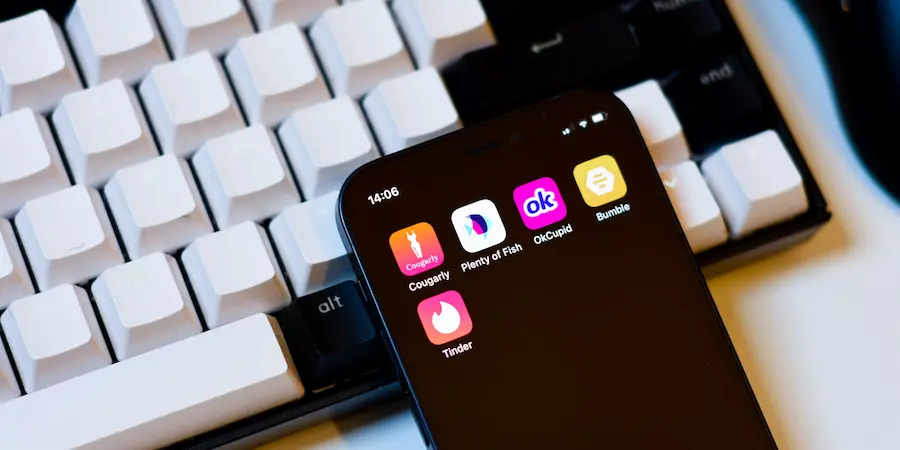
Are you thinking about returning to Tinder or creating a profile for the first time? Dating apps have changed the way we meet people: today you can browse dozens of potential matches while waiting in line for coffee. But the key question isn’t whether they work for someone, it’s whether they fit you, your time, and what you’re looking for. Here I help you decide from a realistic perspective, taking care of your well-being and authenticity amid the infinite scroll.
Advantages: the benefits of having dating in your pocket
The main strength of apps is convenience: with a few taps, you have a showcase of like-minded people at hand. Also, almost all of them use some recommendation system to suggest compatible profiles, which saves time by filtering by interests or lifestyle. Another advantage is that you can break the ice without pressure: the built-in chat lets you see if there’s a connection before meeting up.
There is also a perceived safety plus in that first stage: you start the interaction in a digital environment, choose the pace, and decide whether to take the next step. And, importantly, these platforms have encouraged more people to take the first step, regardless of their gender. If you find it hard to start conversations in person or you live in an area where it’s difficult to meet new people, apps can be a practical gateway.
Disadvantages: when apps work against you
Not everything is shiny. Several useful features are locked behind expensive subscriptions, which frustrates those who don’t want to pay. Also, the swipe format favors deciding in seconds based on the photo, leaving other traits that matter in a relationship in the background. That dynamic creates a sense of competition and constant comparison: “I have to be more interesting than everyone else.”
Another side effect of the infinite catalogue is the temptation to abandon promising connections too quickly, thinking there will always be someone “better” a swipe away. Many people describe this cycle as addictive. There are also disrespectful behaviors: users who keep insisting after a no, and fake profiles or bots that force you to filter and check who’s behind them.
A key note: apps are a tool to bring the conversation into the real world, not an end in themselves. Avoid letting chat become a “pen pals” relationship. If there’s mutual interest, suggest a short video call or a simple and safe plan. Solid relationships are built in person.

Which app to choose: a quick map by goals
There is no perfect platform, but there are options that fit each goal better. Some pointers to guide you:
- Bumble: in hetero matches, the first initiative is taken by the woman and the message expires if not sent quickly. Ideal if you like an environment that encourages taking the first step.
- Hinge: prioritizes compatibility and depth in the profile. Its idea is that you delete it when it works, that is, when you find a stable relationship.
- OkCupid: quizzes and preferences to fine-tune matches. Useful if you value answering and reading details.
- Tinder: fast pace and casual vibe. Good for meeting people without very fixed expectations.
- eHarmony: long-term focus with extensive questionnaires to measure compatibility.
- Coffee Meets Bagel: fewer profiles, more daily curation. Interesting if you prefer quality over endless scrolling.
- Her: a specifically sapphic and queer space, designed for a diverse community.
- Happn: shows you people you cross paths with in your day-to-day life.
- Facebook Dating: leverages your interests and groups to suggest matches; no base cost.
- Match: an industry veteran, focused on serious relationships and more developed profiles.
- Plenty of Fish: combines swipe and extra “likes,” with a casual atmosphere that can evolve.
My recommendation: choose one or two according to your goal (casual, serious, specific community) and avoid spreading yourself across five apps at once.
Screen-free alternatives to meet people
If apps aren’t your thing or you just want to widen your radar, there’s life beyond the phone. Signing up for activities, clubs, or groups (platforms like Meetup can help) connects you with people who share your interests while you enjoy your time. Speed dating events are another route: brief encounters to test chemistry without investing weeks of chat.
You can also ask friends to introduce you to someone who fits what you’re looking for. And don’t underestimate everyday opportunities: comment on someone’s team jersey on the subway, the book someone is carrying in the park, or a dog that reminds you of your family pet. The key is to read the environment: if the other person doesn’t show interest, take a step back and that’s it.
Tips for using apps with authenticity and well-being
- Define your goal before opening the app: are you looking for something casual or to build long-term? It will help you choose a platform and be clear from the start.
- Take care of your time: set specific moments for use so that swiping doesn’t eat your day.
- Avoid eternal “friendship by chat”: if there’s a connection, suggest a video call or a simple plan soon.
- Read the details: on apps with more complete profiles, check values, hobbies, or beliefs that matter to you.
- Don’t compare yourself constantly: your worth doesn’t depend on matches or likes. Less noise, more focus on a good conversation.
- Filter calmly: when faced with possible bots or suspicious profiles, take your time to check for coherence and basic signals before moving forward.
In short, dating apps can be useful if you use them with intention and limits. They facilitate contact, but don’t replace face-to-face connection. If they cause you more anxiety than excitement, try offline alternatives or take a break. And if you decide to stay, opt for authenticity: clear messages, respect, and taking it step by step. In the end, what matters is not where you met someone, but how you build something that makes sense for both of you.