
Have you seen “femboy” everywhere and aren’t quite sure what it exactly describes? You are not alone. The term has become popular on the internet very quickly and, as often happens with online gender concepts, it comes with nuances. In this guide I explain, clearly and without beating around the bush, what it means to be a femboy, where the word comes from, how it’s used today on social networks, and which terms are often confused, so you can talk about the topic with respect and confidence.
What femboy means today
“Femboy” combines “femme” (feminine) with “boy” and is used to refer to young men who express themselves in a feminine way. It is, above all, an aesthetic and a way of presenting oneself to the world; it does not by itself define sexual orientation or gender identity. For that reason, you can find femboys who are heterosexual, gay, trans, or non-binary.
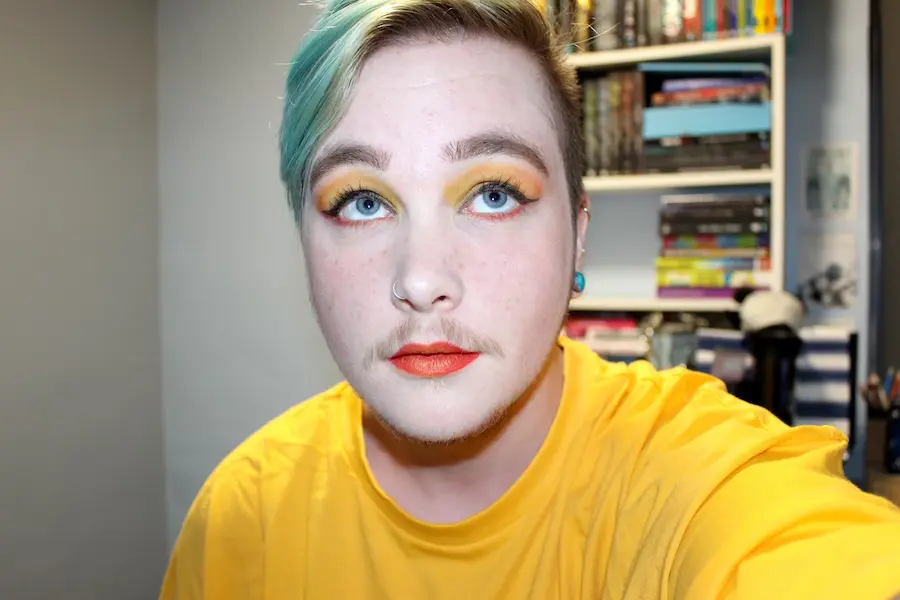
What does this look like in everyday life? It usually appears in clothing (skirts, dresses, high socks), in accessories (makeup, nail polish, jewelry) and in certain gestures or ways of expressing oneself (showing emotions freely, styling hair in longer looks or playing with hair). Some people write “femboi”, a spelling that connects with the historical use of “boi” in queer contexts.
A key point: not everyone receives this term the same way. For some people, “femboy” can be offensive or be confused with categories it does not describe, such as “trans woman”. They are not equivalent. Also, in certain spaces it is noted that the term intersects with issues of transmisogyny (hostility specifically toward trans women), precisely because of the misunderstandings it generates. Therefore, context and respect matter a great deal.
From insult to aesthetic with community
The trajectory of the word has not been linear. In its origins, “femboy” was used disparagingly to attack effeminate men, similar to “sissy”. Over time, the internet opened spaces where those forms of expression could be named and shared without shame. In the early 2000s, for example, online groups emerged to talk about glamour, androgyny and gender experiences; and by 2012 a subreddit dedicated to feminine boys appeared that remains active to this day.
In parallel, so-called “hybrid masculinities” have gained traction: ways of being a man that incorporate elements seen as feminine or from marginalized groups. Many young men feel that traditional masculinity does not reflect who they are, and they find in these aesthetics a way to express themselves. That said, not everyone has the same room to explore; those who belong to racial minorities, working-class backgrounds or migrant contexts are often more closely watched and may maintain more conventional styles for safety or social stigma.
Femboys on social networks and pop culture
Platforms have acted as accelerators. On TikTok, for example, among men with the most followers it is common to see makeup, painted nails or jewelry. More than explicit “activism”, many creators monetize an aesthetic that favors visibility on an app heavily focused on imagery.
Specific phenomena have also emerged:
- #FemboyFriday: since 2014, every Friday people share photos and videos featuring outfits like high socks, skirts or maid costumes.
- “Femboy Hooters”: a 2019 tweet imagined a restaurant staffed by femboys and unleashed memes, sketches and viral videos.
The aesthetic is strong in anime and in furry communities. Characters like Nagisa (Assassination Classroom), Najimi (Komi Can’t Communicate), Kuranosuke (Princess Jellyfish), Hime (Himegoto) or Angel Dust (Hazbin Hotel) are examples commonly discussed online.
Another important nuance is sexualization. The creation, in 2013, of a porn category using this label pushed the term into the mainstream and reinforced fetishizing gazes. Sometimes, people with rigid views of gender find it easier to box the aesthetic in as a “sexual preference” than to recognize it as a valid form of masculinity.
Related terms and common confusions
- Femboy ≠ trans woman: they are not synonyms. Some people confuse the two concepts, which fuels misunderstandings and discrimination. “Ladyboy”, widely used in Thailand to refer to trans women, is also not equivalent to femboy.
- “Femboi” and the role of “boi”: the variant with an “i” is related to queer uses of “boi” for effeminate youths, transmasculine or non-binary people, and tomboys. For some, this spelling marks a more explicitly queer identity.
- “Sissy”: historically an insult toward effeminate boys, today it is also loaded with sexual connotations and present as a porn category. It’s best to avoid it unless there is trust and agreement.
- “Trap”: an offensive term in trans communities because it suggests “tricking” other people. Although it appears as an archetype in anime/manga, its origin and use are crossed by transphobia. It’s better not to use it.
- “Roseboy”: an alternative some people use to avoid “femboy”, but with sexual associations of origin that many consider problematic.
On the cultural level, there are also incorrect labels used in protest or activism contexts. In Myanmar, for example, photos circulated of LGBTQ protesters (including drag queens) who were inaccurately labeled “femboys” outside the country. There, gay men who dress more femininely are more visible than in the West, which facilitates confusion, but the focus of those mobilizations was the defense of queer rights, not the femboy aesthetic itself.
How to talk about the topic with respect
If you want to refer to someone or write about the topic, the key is to prioritize dignity and context. These guidelines help:
- Ask for and respect self-identification: ask how a person prefers to present themselves before labeling them.
- Avoid terms with insulting or fetishizing weight: “trap” and “sissy” (unless used consensually) are not neutral options.
- Don’t assume orientation or identity: being a femboy doesn’t determine whether someone is gay, straight, trans or non-binary.
- Mind the cultural context: words like “ladyboy” are used in specific countries to refer to trans women; don’t mix them with femboy.
- Don’t sexualize by default: an aesthetic’s presence in porn does not reduce it to the sexual. Talk about people, not categories.
- Attend to the audience: some consider “femboy” offensive; in sensitive contexts, opt for neutral descriptions (“man with a feminine gender expression”).
In summary, “femboy” names a form of male expression that incorporates traditional elements of the feminine. Like any label, it can empower when used carefully and with consent, and it can harm if imposed or mixed with prejudice. If in doubt, listen first: people themselves are the best ones to tell you who they are.
.